
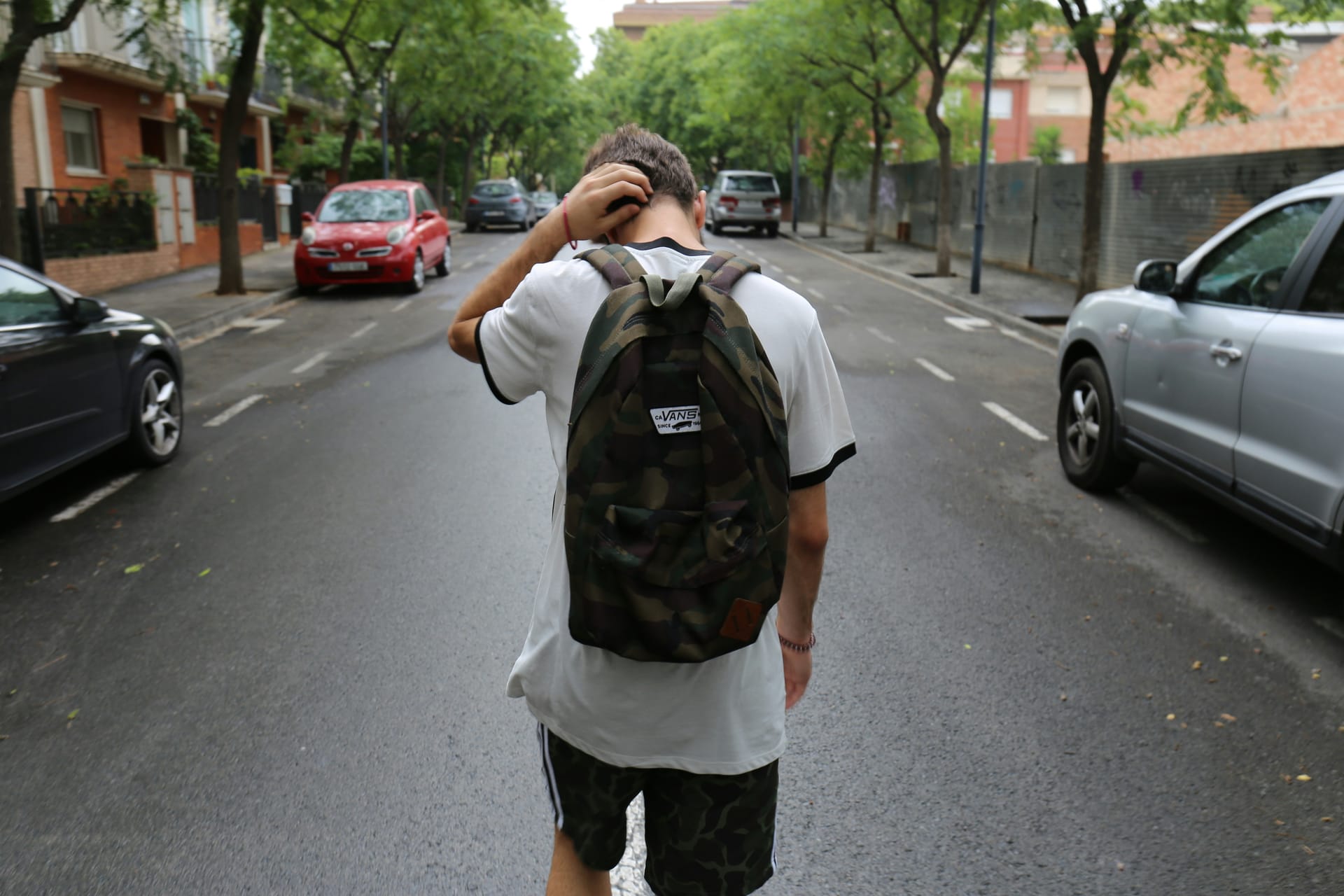
Being 15 and living with juvenile arthritis
Learning to live with illnesses, mum and son at their own pace
Overnight, Kenza has to learn what an inflammatory flare-up is and what it means when blood test results start to worsen. She has become an expert without ever choosing to: waiting rooms and parents' forums no longer hold any secrets for her.
Amine, her son, is learning to live with the illness by trying to seem like everyone else. He wants to play sport with his friends. He doesn't want to be reminded to take it easy, or for his mother to talk about him to his form tutor or to the family at their Friday get-togethers.
A gap can open up between the two of them: Kenza knows things that Amine doesn't always want to hear.
What Amine's silence says about how he lives with his illness
From the outside, Amine plays down his pain in front of his friends and gets irritated when his mother asks how he's feeling in public. His silence can look like rejection.
From the inside, it's something else entirely. Staying quiet about his illness is his way of expressing his need to remain an ordinary teenager, both in other people's eyes and in his own. Teenagers with an illness are teenagers like any others: they say little about what's wrong, not because they lack the words, but because they want to exist as something other than their illness.
Healthcare professionals who support families in pediatric rheumatology make the same observation: the parent who manages to remain a parent, and not only a carer, is often the one whose teenager is most willing to accept their support, because they give them space and don't turn every conversation into a health check.
The right to a normal teenage life
For a parent, the temptation is to smooth out the rough edges: avoiding risky outings, keeping an eye on late nights, planning ahead for difficult days. Understandable. But a teenager with rheumatoid arthritis doesn't need teenage years without bumps in the road. They need a real adolescence. And Kenza is trying to support Amine as best she can through this stage of his life.
All of it, the noise, the mess, the unpredictability, is part of who he is, beyond his illness. Letting him live through this turbulence, however imperfectly, tells him something essential: he is not defined by his condition.
The stories featured on this site are personal testimonies intended for informational purposes only. They are not a substitute for medical consultation and should not be interpreted as medical advice, a diagnosis, or a treatment recommendation. If you experience any symptoms or have a medical concern, we encourage you to consult a qualified healthcare professional.