
"Will I need treatment for life?"
Why treat something I can't even feel?
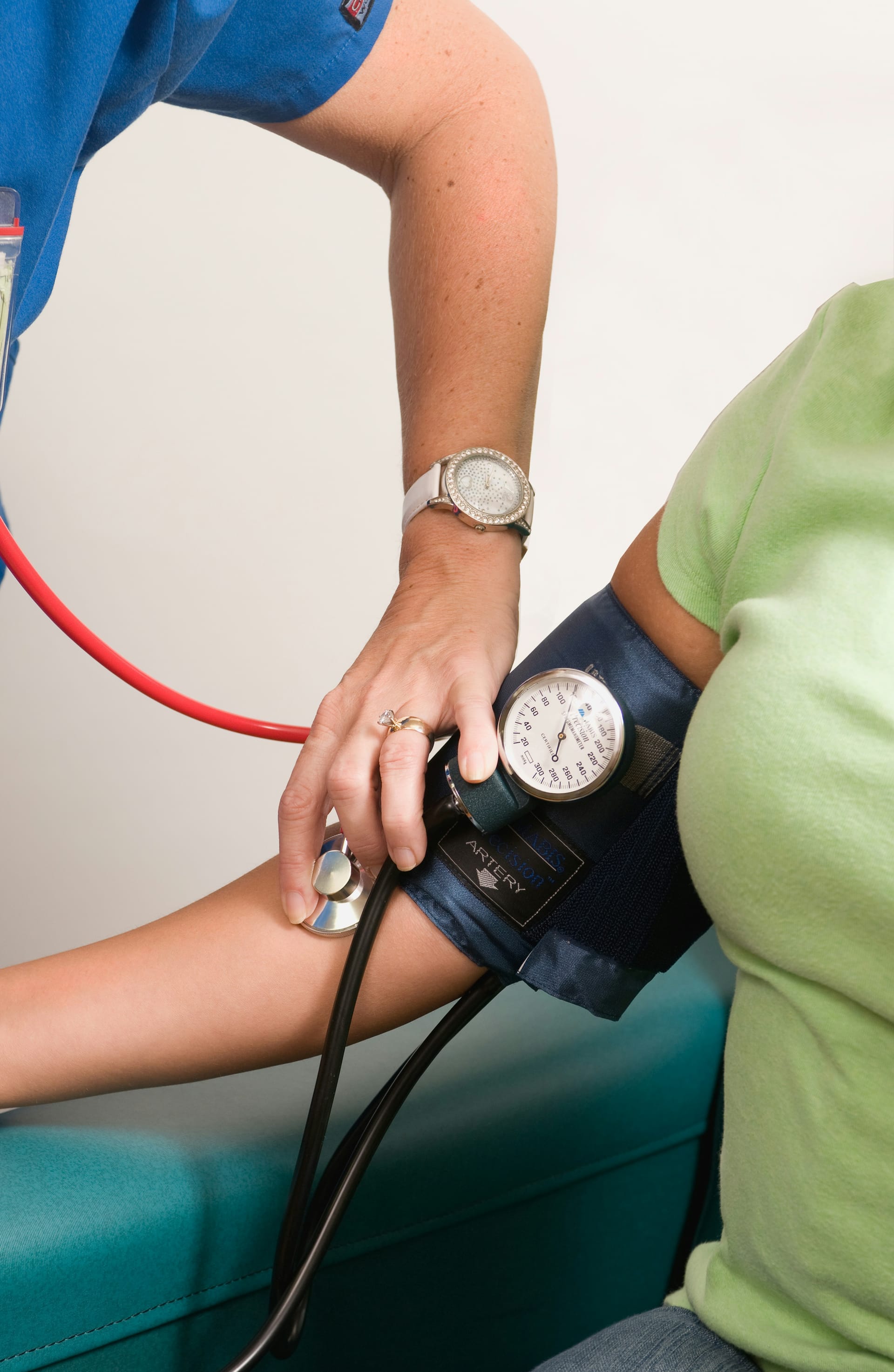
That was the first question Nadia asked her doctor. It's a fair question: high blood pressure affects nearly one in three adults worldwide, and one of its defining features is that it causes no pain. It is often discovered by chance, usually during a routine check-up.
But no pain doesn't mean no consequences. High blood pressure works silently, and its effects on the arteries, heart, kidneys and brain build up over time. Leaving it untreated means putting these organs under constant strain, day after day, until they eventually pay the price. Strokes, heart attacks and kidney failure don't happen overnight: they are often the result of years of high blood pressure that was ignored or poorly controlled.
If my blood pressure goes back to normal, can I stop taking my medication?
This is one of the most common mistakes. Many patients stop their treatment as soon as their readings improve, convinced they are cured. But the readings have come down precisely because the treatment is working. Stopping it often means going back to square one and undoing the progress that has been made.
Doctors regularly observe that the patients who do best are those who stick with their treatment.
Is medication enough, or do I need to change my lifestyle?
Living with high blood pressure also means making a few everyday changes. Simple habits make a real difference: cutting down on salt, staying active and managing stress.
These changes don't replace medical treatment, but they lay the foundations for patients to take better control of their health.
Does it get easier over time?
Like many patients, Nadia eventually got into a routine. She takes her pill every morning, just as she has her morning coffee. "At first, it felt like a burden. Now, it's just part of my day."
Key takeaways
High blood pressure can be treated, monitored and managed. Talk to your doctor if you have any doubts about your treatment, and never stop taking it without talking to them first. And if you haven't had your blood pressure checked in over a year, now might be the right time.
The stories featured on this site are personal testimonials intended for informational purposes only. They are not a substitute for medical consultation and should not be interpreted as medical advice, a diagnosis, or a treatment recommendation. If you experience any symptoms or have a medical concern, we encourage you to consult a healthcare professional.